Quick Test: Chest vs. Diaphragm Breathing
Want to know if you engage in deep or shallow breathing? Here’s a quick test.
- Sit or lie down comfortably.
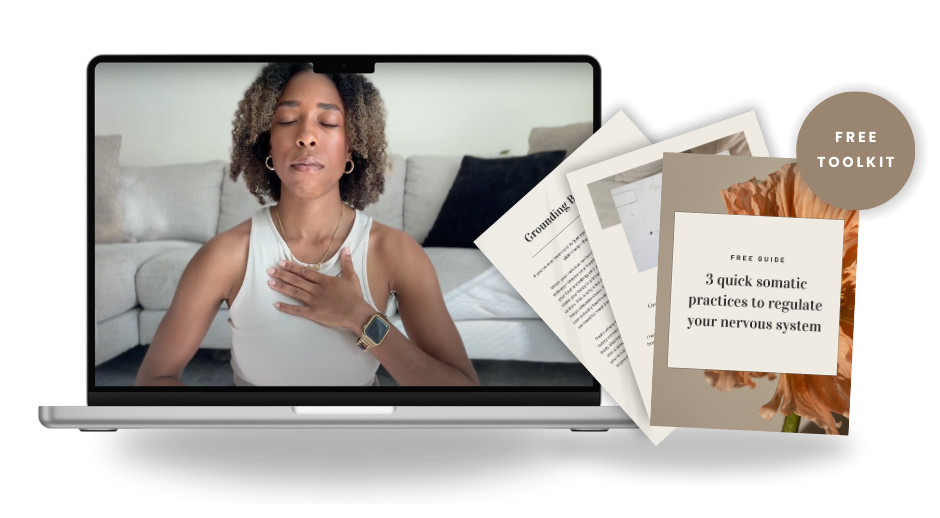
- Place one hand on your chest and one on your belly (just below the ribs).
- Take a normal breath in (don’t force it).
- If the chest hand rises more, you’re mostly chest breathing.
- If the belly hand rises more, you’re engaging the diaphragm.
- Ideally, you’ll see a gentle belly rise first, then a little chest expansion second.
👉 Do this for 3–5 breaths. It gives you quick awareness of your default pattern.
What type of habits and stress cause shallow breathing over diaphragmatic breathing?
Chronic stress, trauma, and cultural conditioning can contribute to a reliance on alternative muscles (chest, neck, shoulders, etc.) for breathing. Lifestyle, posture, stress, and emotional holding patterns can all contribute to this shift.
For example:
- Cultural messages like “stand tall” or “suck in your stomach” can reinforce holding in the stomach for appearance or posture, limiting the diaphragm’s movement.
- Modern lifestyle for school aged children and adults involves sitting at a desk or in a vehicle. Sitting for long periods can shorten the hip flexors and tighten the diaphragm.
- Even subtle stressors can activate the sympathetic nervous system, which cues faster, chest-centered breathing.
- Postural stress: sitting hunched at a desk, driving for long periods, or standing with the belly “sucked in.”
- Environmental stress: background noise, constant notifications, fluorescent lighting, or crowded spaces.
- Emotional micro-stressors: running late, worrying about your to-do list, minor conflicts, or feeling unseen in a conversation.
- Sensory overload: scrolling through social media, switching between tabs, or multitasking without pause.
- Physiological stress: dehydration, low blood sugar, shallow sleep, or too much caffeine.
- Social stress: subtle code-switching, microaggressions, or pressure to perform/present in certain ways.
These stressors always trigger a full fight-or-flight response, but they
layer over time, keeping the nervous system slightly activated. Stress disrupts our breathing mechanisms as the breath responds automatically: getting faster, moving higher into the chest, and recruiting neck/shoulder muscles instead of letting the diaphragm expand fully.
👉 That’s why even a few intentional grounding breaths during the day can help *reset* and remind the body it’s safe.
What's the long term impact of chest breathing?
Chest-dominant breathing can increase tension in the shoulders/neck, reduce oxygen exchange, and keep the nervous system in a subtle activated stress state (via the sympathetic nervous system).
Under sympathetic activation, breathing gets faster and shallower (chest breathing). This can actually reduce
CO₂ levels in the blood making it harder for oxygen to be released from the blood into our bodies muscle tissue.
Stress can make the body feel oxygen-starved even when oxygen is available, which can signal to the body that we’re under threat, tricking the body into feeling unsafe and under-resourced.
👉 That’s why slow, diaphragmatic breathing is so regulating: it balances oxygen + CO₂, calms the nervous system, and signals safety.
Daily “Micro-Practice Menu” (30–60 seconds each)
Here are 5 quick resets you can sprinkle into your day after emails, between meetings, or even while waiting in line.
1. 3-3-3 Grounding Breath
- Inhale through your nose for 3 counts, letting your belly expand.
- Hold for 3 counts.
- Exhale slowly through the nose or mouth for 3 counts.
- Repeat for 3 rounds.
2. Shoulder Drop Reset
- Inhale deeply into your belly.
- As you exhale, consciously drop your shoulders away from your ears.
- Repeat 2–3 times. (Great if you’ve been at a computer.)
3. Hand-to-Heart Check-in
- Place one hand over your heart, one over your belly.
- Inhale into the belly, then let the breath rise into the chest under your top hand.
- Exhale slowly, softening the jaw.
- Do 2–3 rounds.
4. Sigh of Relief
- Inhale normally.
- Exhale with an audible sigh, like a gentle “haaah.”
- Repeat 2–3 times to release tension quickly.
5. Box Breath (for focus)Inhale for 4 counts.
- Hold for 4 counts.
- Exhale for 4 counts.
- Hold for 4 counts.
- Repeat 2–3 rounds.
👉 These little resets send micro-messages of safety to your nervous system. You can set timers to remind you to engage in these mini moments of grounding and layer the practices into what you’re already doing.
Lastly, if you struggle with accessing diaphragm breathing, know that with awareness and practice (like breathwork, yoga, or somatic exercises), we can re-train the body to restore diaphragmatic breathing at any stage of life. By noticing your breath and practicing these mini-resets, you can gradually restore diaphragmatic breathing, calm your nervous system, and feel more grounded throughout your day. Which one of these practices can you try today?