
Somatic Therapy | Yoga and Sound Baths in Culver City | CA

There is a gap that no amount of professional achievement can close. It sits between what someone has accomplished and how she actually feels on a Tuesday afternoon, between the life that looks correct from the outside and the exhaustion that greets her before she gets out of bed. Power Through Process was built precisely for that gap. Through somatic therapy, yoga, and sound healing, I work with women of color who have done everything right and still cannot find their way to rest. Culver City sits at a crossroads that is both literal and figurative. Sony Pictures Studios anchors the eastern edge near the 10 freeway, while the Helms Bakery District and the Culver City Arts District draw a creative and professional community into its walkable core. Jefferson Blvd connects to Mar Vista and Venice to the west, Washington Blvd runs toward Baldwin Hills to the east, and National Blvd traces a route through Palms and toward Los Angeles. The Hayden Tract and the Kirk Douglas Theatre have made this a destination for people who work in industries that reward performance, which means many of the women here know exactly how to look like they are fine. Culver City attracts high-achieving women who are also, in many cases, deeply disconnected from their own inner experience. The pressure to be credible, creative, and composed in professional environments that offer very little room for authentic emotional expression accumulates in the body over time. My work offers a private, unhurried place where somatic therapy in Culver City becomes something different from the performance of wellness. It becomes actual healing.

How it works

01


Start where you are—not where you think you “should” be

This practice does not start with a diagnosis or a framework. It starts with the body. The stomach that tightens in meetings. The shoulders that creep toward the ears by midday. The catch in the throat when something true is about to be said. These physical responses are not separate from the emotional experience. They are the emotional experience, held in tissue and breath, and somatic therapy is the practice of learning to hear them.

02


No scripts. Just what your body needs

The first conversation is not a commitment. It is a chance to see whether this work and this practitioner feel like a good fit. Nothing about reaching out requires having the right language or knowing exactly what is wrong. Many clients simply say that something is off, that they are tired in a way they cannot explain, and that is more than enough to begin.

03


Where science meets soul

What somatic therapy, sound healing, and yoga build is not a coping strategy. It is a different relationship with the self, one grounded in the body's actual wisdom rather than the mind's management of it. Clients find that what changes in sessions does not stay in sessions. The way they move through the world, respond to stress, and allow themselves to rest begins to shift at a fundamental level.

Explore my therapy services and specializations


Achieving women often arrive at somatic therapy not because they are falling apart but because the strategies they have used to stay composed have stopped working. The breath-holding, the overworking, the keeping busy so there is no room to feel. Somatic therapy does not ask why those strategies developed. It asks what they cost and what might be possible without them. In sessions, the body becomes the primary source of information. Clients learn to notice physical sensations before they escalate, to follow the thread of a feeling without needing it to make immediate sense. Over time, the emotional experience becomes less overwhelming and more legible. What was flooding becomes information. What was numb begins to wake. Sessions are held virtually, accessible from any private space. The quality of presence and depth of engagement remain consistent regardless of where a client logs in.

High-functioning women often discover that the body has its own agenda that intellect cannot override. The sleep that will not come. The inability to feel genuinely at ease even in beautiful surroundings. Yoga and sound baths address the nervous system beneath the strategy, creating conditions in which the body can begin to receive the rest it has been denied. Yoga in this practice is not a fitness modality. It is a slow, intentional inquiry into sensation, breath, and the edges of the body's experience. Sound baths layer onto that by using vibrational resonance to support the nervous system's shift from activation toward regulation. The combined effect is often described as a kind of permission that clients had been waiting for without knowing they needed it. These offerings serve women who are new to both practices as fully as they serve those who have maintained a yoga or meditation practice for years. The point is always depth of presence, never proficiency.

The women who come to relational Gestalt therapy are often aware that their patterns in relationship are not serving them. They can name the dynamic. They have described it in therapy before. And still, when the moment arrives, the old response takes over. Relational Gestalt works with the alive present-moment experience of those dynamics rather than analyzing them from a distance. Sessions attend to what is happening in the room as it unfolds. The way the body changes when a particular topic arises. What gets said quickly and what hesitates. How connection and distance organize themselves in the therapeutic relationship itself. This attention to the present creates a kind of direct access to the patterns that talk therapy can sometimes circle without touching. Clients often find that this work reaches into their other relationships in ways they did not anticipate. The capacity for honest presence in sessions transfers. The armoring softens in more contexts than just therapy.

In environments that reward performance and productivity, the nervous system learns to stay ready. The body never fully discharges because there is always something next, always another thing to deliver. Over time, this readiness stops feeling like energy and starts feeling like depletion. The capacity to rest, even when nothing requires vigilance, becomes genuinely inaccessible. Nervous system regulation work rebuilds that capacity slowly and through the body's own experience. Rather than explaining to the nervous system that it is safe, sessions create conditions that allow it to feel that safety directly. The baseline begins to lower. The hair-trigger response that once felt like personality starts to feel like a habit that can be changed. This work is particularly meaningful for women in high-achieving environments who have internalized the message that vigilance is virtue. Regulation is not about becoming less capable. It is about having more access to the full range of what the body can experience.

Trauma lives below the level of narrative. A person can understand exactly what happened, can trace the origins of their responses, can speak about the past with clarity and distance, and still find that the body responds as if the threat is present. Somatic trauma therapy enters at that level, below the story, to support the nervous system in completing what it could not complete at the time. This work is slow and careful. Nothing is forced. Clients are guided by their own readiness, and sessions never push past what the nervous system can integrate. The result of that care, over time, is a nervous system that begins to feel the difference between then and now. For women in Culver City and the surrounding communities who carry trauma alongside demanding professional lives, this work creates a container that is equal to the complexity of what they hold.

Performance environments can produce a particular flavor of anxiety, one that is not paralyzing but ever-present, a hum of readiness that never fully powers down. Sound meditation speaks to that hum at the level of the nervous system rather than the level of cognition, using vibrational resonance to shift the body out of low-grade activation. During sessions, the vibrations of healing instruments move through the body in ways that circumvent the mind's usual commentary. Clients often describe a quality of surrender that they cannot access through effort or decision. The body softens not because it was told to but because the conditions changed. Sound meditation sessions are offered virtually and are accessible to women who have never tried this modality as well as those who have maintained a long meditation practice. The body knows how to receive what is offered.

For Black women working in predominantly white professional environments, the exhaustion is compounded in ways that standard frameworks often fail to recognize. The cognitive load of code-switching. The specific vigilance required when navigating spaces that do not reflect their humanity. The isolation of being excellent in rooms where excellence is the expectation and Blackness is still treated as a deviation. My practice holds an anti-oppressive and decolonizing lens that places this context at the center of the healing work rather than at the margins. Systemic realities are not explained away or treated as separate from the emotional experience. They are named, honored, and held with the weight they deserve. Black women in my practice find a space that does not require them to translate, minimize, or justify. Their experience arrives whole, and the work meets it there.

Women who move through high-achieving professional worlds often hold a complicated relationship with their bodies. The body gets managed, maintained, and optimized. But listened to? Rarely. Somatic yoga is a practice of listening through movement, of using breath and sensation to restore the body's status as a source of intelligence rather than a project to be improved. Sessions unfold slowly, without agenda. Clients are invited to track what they feel as they move, to notice what the body communicates at the edges of stretch and stillness, to let that communication inform how they proceed. Over time, this builds a quality of embodied presence that begins to translate into other areas of life. The practice is not about flexibility or form. It is about the relationship between a woman and her own interior experience, and the gradual trust that develops when that relationship is tended.

For Black couples in Culver City and the surrounding Westside, the demands of professional environments can create relational patterns in which both partners are performing competence rather than actually being present with each other. Black couples therapy in this practice creates the space to set that performance down and begin the deeper work of genuine intimacy. Sessions are virtual.

In Culver City's professional and creative industries, the pace that drives innovation can also deplete the people doing the innovating. My corporate wellness programs bring somatic education, sound healing, and nervous system regulation tools into the workplace in a form that is practical, culturally attuned, and genuinely useful. Available virtually.
Serving clients in Culver City and nearby areas
This practice serves women throughout Culver City and the surrounding communities, including Mar Vista, Palms, West Los Angeles, Playa Vista, Baldwin Hills, and neighboring areas along the 10 corridor. All sessions are virtual, which means the support is available wherever a client is. Whether someone is stepping away from the Sony lot for an afternoon session or logging in from a home office in Palms, the work meets them there. An embedded map of the Culver City service area appears below.

Chelsey has been a mentor to me in many ways. She has a warm, patient, thoughtful presence that is consistent and unmoving, and the ability to closely contact whatever arises in a calm and non judgemental way that allows for connection. Highly recommend!

Haley Winer

Chelsey and I recently led a group and I was in awe of her ability to hold space, give others feedback, and stay regulated throughout the course. Chelsey was a supportive, caring, and wonderful co-facilitator. I learned so much from her!

Julia Willinger

She's phenomenal. I've had a few different therapists during my mental health journey, but Chelsea is the first one to actually make me feel comfortable enough to be vulnerable. She reminds me that it's okay to acknowledge my feelings, instead of bottling them up in order to process the situation that brought that particular feeling up. I spent a long time feeling invisible; my sessions with Chelsea remind me that I'm here, and I matter. It feels good to feel seen and understood.

Anonymous

What inspires me about Chelsey's clinical skills is that she has a talent and passion for integrating her work with holistic health and wellness. She offers healing on a deep level and her very presence has a calming effect. I highly recommend Chelsey.

Fox Eros Life Stress Intimacy Polyamory

Chelsey's approach to therapy is rich, fulfilling, and empowering. Her groundedness propels her in the ability to be attuned to her clients' needs which is valuable to community healing.

Keri Anderson

I have had the privilege of being Chelsey's supervisor for the past 18 months. She is a caring and compassionate clinician who brings thoughtfulness, warmth and curiosity to her work with clients. I highly recommend Chelsey.

Penny H.

Button

Chelsey has been a mentor to me in many ways. She has a warm, patient, thoughtful presence that is consistent and unmoving, and the ability to closely contact whatever arises in a calm and non judgemental way that allows for connection. Highly recommend!

Haley Winer

Chelsey and I recently led a group and I was in awe of her ability to hold space, give others feedback, and stay regulated throughout the course. Chelsey was a supportive, caring, and wonderful co-facilitator. I learned so much from her!

Julia Willinger

Testimonials

Hello, I'm Chelsey Reese, somatic therapist and sound healer serving Culver City

I'm a somatic therapist, yoga and sound healing practitioner, and the founder of Power Through Process Wellness Co., serving women of color across Culver City, the Westside, and the greater Los Angeles area. My approach draws from somatic experiencing, polyvagal-informed practice, relational Gestalt, and trauma-informed mindfulness, all held within an anti-oppressive, decolonizing framework. I work with women who are successful, capable, and quietly exhausted, women who have done the external work and are ready to come home to themselves. My practice stands on this foundation: empowering women of color to listen to the wisdom inside their bodies, release stored trauma, and step into an abundant life of peace and connection.
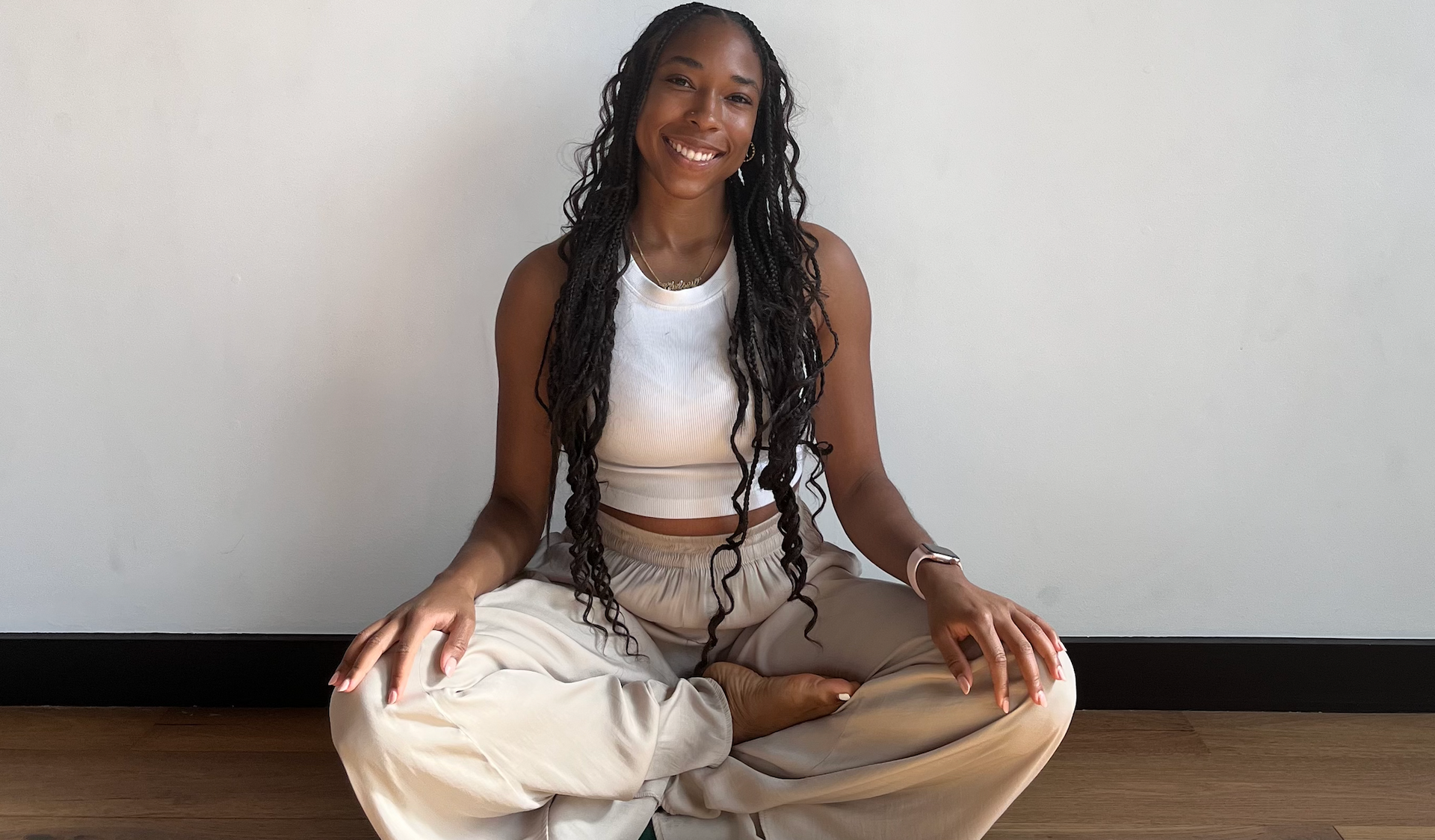
Woman sitting cross-legged on a wooden floor, smiling in a white top and beige pants.

Frequently asked questions

  • How does virtual therapy work?

    Virtual therapy sessions are held over a secure, HIPAA-compliant video platform. All you need is a private space, a stable internet connection, and a device with a camera and microphone.


  • Can I use my insurance for virtual therapy?

     I currently do not accept insurance. I can provide a superbill for reimbursement and I do accept Loveland Vouchers. 

  • What if I need to cancel or reschedule a session?

    I ask for at least 24 hours notice to reschedule or cancel your session. Cancellations made less than 24 hours notice may incur a fee.