
Somatic Therapy | Yoga and Sound Baths in Inglewood | CA

There is a particular kind of static that builds when the body absorbs what the mind refuses to process. It shows up as sleeplessness that arrives no matter how tired someone is, as an irritability that has no clean source, as a numbness that spreads across the chest on the drive home. Power Through Process is a somatic therapy and sound healing practice designed for women of color who have been receiving that static for years without anyone naming it or giving it proper attention. Along Manchester Blvd, through the neighborhoods surrounding Hollywood Park and the Kia Forum, and down the corridors connecting Centinela Ave to the Hawthorne border, Inglewood holds a community that has navigated extraordinary change while maintaining a rooted sense of identity. Women living near Morningside Park, commuting along La Cienega into the Westside, or navigating the dense pace of the LAX corridor carry lives that are full in every direction. The neighborhoods east toward Ladera Heights and north into Westchester share the same rhythm: constant movement, high stakes, and very little permission to slow down. Inglewood has always been a city that demands resilience. What somatic therapy offers women here is the chance to let that resilience finally exhale. Many of the women who reach out are not in crisis in any visible sense. They are succeeding. They are showing up. But their bodies have been keeping a different account, and that account has come due. My work meets them there, in the gap between how they look from the outside and how they actually feel.

How it works

01


Start where you are—not where you think you “should” be

Before anything shifts, something has to be heard. Somatic therapy begins not with a plan or a protocol but with genuine attention to what the body is already communicating. The tightness across the chest, the held breath, the way the stomach drops before a difficult conversation. These are not symptoms to be managed. They are the body's attempt to be understood, and sessions create the conditions for that understanding to deepen.

02


No scripts. Just what your body needs

Reaching out does not mean committing to anything. The first step is a simple, pressure-free conversation where we get a sense of each other, identify what feels most alive in your experience right now, and determine whether this work is a genuine fit. There are no forms to justify your pain and no checklist to meet before being welcomed in.

03


Where science meets soul

Healing through somatic therapy, sound baths, and yoga is not linear. It does not announce itself loudly. More often, clients notice quiet accumulations: a morning they woke without the familiar weight behind the sternum, a conversation where they said what they needed and felt no shame for it, a moment of actual stillness that was not followed by guilt. The changes are real, and they compound.

Explore my therapy services and specializations


The women who arrive at somatic therapy have often spent years trying to think their way out of how they feel. They have named the patterns, understood the childhood dynamics, read the books. And still, the body holds on. Somatic therapy works at the level where that holding lives, beneath the story and the analysis, in the place where stress actually accumulates. Sessions move at the pace of the nervous system rather than the pace of a session plan. What clients begin to notice is a growing capacity to feel without flooding, to sit with discomfort without immediately needing to fix it or explain it away. The emotional range that once felt dangerous begins to feel navigable. Sensation becomes information rather than threat. All sessions are offered virtually, which means this work is reachable without adding a commute to a life that is already stretched thin. What does not change is the depth of presence in each session.

Some forms of exhaustion cannot be addressed through thought or conversation alone. When the nervous system has been overactivated for a long time, it sometimes needs a different kind of invitation: vibration, breath, and movement that bypass the mind's defenses and speak directly to the body. That is the work yoga and sound baths do. Sound healing sessions use the resonance of bowls and instruments tuned to support nervous system regulation. The experience is not passive. Something shifts in the body during sound. Clients often describe a physical sensation of unwinding, a release that they could not have accessed by trying to relax. Yoga sessions complement that with slow, intentional movement that builds the capacity to feel safely. These offerings are available to women who are new to bodywork and to women who have been practicing for years and still feel disconnected. The goal is never performance. It is presence.

The way someone moves through relationships rarely feels like a choice. It feels like who they are. Stepping back whenever tension rises. Saying yes when every part of the body meant no. Taking up as little space as possible to avoid the cost of being seen as too much. Relational Gestalt therapy examines how these ways of being formed and what it would take to live differently. Rather than excavating the past for explanations, this approach attends to what is happening right now, in the room, between us. The way the breath changes. What gets said in a rush and what gets withheld. How the body responds when the conversation brushes close to something real. That aliveness is the material. Clients who engage in this work often find that the changes do not stay contained to therapy. The way they show up in the room begins to inform how they show up everywhere. Something that was fixed begins to move.

When the nervous system has been conditioned to treat rest as a threat, relaxation does not come from deciding to relax. It has to be learned through the body, through experiences of safety that accumulate slowly and become a new baseline. That is the work of nervous system regulation, and it is patient work. Sessions focus less on understanding the stress response and more on expanding the body's capacity to experience its opposite. Clients begin to feel the difference between bracing and settling. The familiar hum of vigilance starts to have gaps in it. The body begins to remember that ease is possible. For women whose nervous systems have been shaped by years of operating in environments that required constant alertness, this work is not about eliminating that alertness. It is about giving the body more options, so that vigilance becomes a choice rather than a default.

Trauma is not always dramatic. Sometimes it is the accumulated weight of years of silencing, the way a child learned to make herself small in a room, the repetition of experiences that never felt safe to name. Somatic trauma therapy holds space for all of it, the large and the quiet, the recognized and the unnamed. The work does not require excavating the details of what happened. It requires creating enough safety in the body that the nervous system can begin to process what it has been holding at bay. Sessions are slow, attentive, and guided entirely by what feels appropriate in any given moment. What emerges over time is not just relief from symptoms but a different relationship with one's own history. The story of what happened begins to feel like something that belongs to the past rather than something that is still happening now.

Anxiety is the body's attempt to prevent something bad from happening again. It is protective logic, and it made sense at some point. But when that logic runs constantly, it becomes its own kind of wound. Sound meditation works with the nervous system rather than against it, offering a pathway into regulation that does not require the mind to lead. The vibrational qualities of sound bath instruments interact with the nervous system at a level that words do not reach. Clients often describe a kind of involuntary release during sessions, a softening that they did not orchestrate and could not have forced. That is the body completing something it had been holding in suspension. Sound meditation is available virtually, which means it meets women wherever they are. All that is needed is a quiet space and the willingness to let something shift.

Black women carry a weight in this culture that is both personal and collective, both chosen and assigned. The expectation to be strong regardless of cost. The experience of having pain minimized or explained away. The particular fatigue of navigating systems and spaces that were not built with Black women's wellbeing in mind. Therapy with me begins from the understanding that these experiences are real, documented, and worthy of direct attention. My framework is anti-oppressive and decolonizing, which means the healing work does not separate the individual from the cultural and historical contexts that have shaped her. What happened in her life is held alongside what has happened in the lives of women before her. Both matter. This is a practice where Black women do not have to code-switch, minimize, or perform strength in order to receive care. The whole of who they are is welcome here.

For women who have lost the thread back to their own bodies, somatic yoga is a way of reestablishing that connection through movement rather than words. It is not a fitness practice. It is not about achieving a posture. It is about using breath and motion to make sensation accessible again, to find out what the body knows when it is given the chance to speak. Somatic yoga sequences move at the pace of honest attention. Nothing is rushed. Clients are guided to pause at the edge of sensation rather than push past it, and in that pausing, something often releases. The body begins to feel like a place of information rather than just a vehicle for getting through the day. This practice is particularly meaningful for women who have been taught that caring for themselves is secondary to caring for everyone else. Moving slowly, breathing fully, and giving the body time to respond is itself a form of resistance.

Black couples in the Inglewood and south LA community navigate a particular set of relational pressures, including the demands of survival, the weight of supporting each other through systemic stress, and the cultural expectation that love be strong without ever showing the cost of that strength. This work creates space for both. Sessions are offered virtually.

Workplace wellbeing in Inglewood and the south LA corridor means something specific: support that honors the cultural reality of the workforce rather than applying generic frameworks to complex lives. My trauma-informed corporate wellness offerings meet organizations where they are and offer tools that genuinely support the humans in them. Available virtually.
Serving clients in Inglewood and nearby areas
My virtual practice serves women throughout Inglewood and the surrounding south LA communities, including Hawthorne, Westchester, Ladera Heights, Lennox, and Lawndale. Women in neighboring areas like Culver City, Baldwin Hills, and Los Angeles proper are equally welcome. No commute is required. Wherever someone is sitting when they reach out, that is where the work begins. An embedded map of the Inglewood service area appears below.

Chelsey has been a mentor to me in many ways. She has a warm, patient, thoughtful presence that is consistent and unmoving, and the ability to closely contact whatever arises in a calm and non judgemental way that allows for connection. Highly recommend!

Haley Winer

Chelsey and I recently led a group and I was in awe of her ability to hold space, give others feedback, and stay regulated throughout the course. Chelsey was a supportive, caring, and wonderful co-facilitator. I learned so much from her!

Julia Willinger

She's phenomenal. I've had a few different therapists during my mental health journey, but Chelsea is the first one to actually make me feel comfortable enough to be vulnerable. She reminds me that it's okay to acknowledge my feelings, instead of bottling them up in order to process the situation that brought that particular feeling up. I spent a long time feeling invisible; my sessions with Chelsea remind me that I'm here, and I matter. It feels good to feel seen and understood.

Anonymous

What inspires me about Chelsey's clinical skills is that she has a talent and passion for integrating her work with holistic health and wellness. She offers healing on a deep level and her very presence has a calming effect. I highly recommend Chelsey.

Fox Eros Life Stress Intimacy Polyamory

Chelsey's approach to therapy is rich, fulfilling, and empowering. Her groundedness propels her in the ability to be attuned to her clients' needs which is valuable to community healing.

Keri Anderson

I have had the privilege of being Chelsey's supervisor for the past 18 months. She is a caring and compassionate clinician who brings thoughtfulness, warmth and curiosity to her work with clients. I highly recommend Chelsey.

Penny H.

Button

Chelsey has been a mentor to me in many ways. She has a warm, patient, thoughtful presence that is consistent and unmoving, and the ability to closely contact whatever arises in a calm and non judgemental way that allows for connection. Highly recommend!

Haley Winer

Chelsey and I recently led a group and I was in awe of her ability to hold space, give others feedback, and stay regulated throughout the course. Chelsey was a supportive, caring, and wonderful co-facilitator. I learned so much from her!

Julia Willinger

Testimonials

Hello, I'm Chelsey Reese, somatic therapist and sound healer serving Inglewood

I'm the founder of Power Through Process Wellness Co. and a somatic therapist, yoga practitioner, and sound healing facilitator serving women across the greater Los Angeles area, including Inglewood and the south LA corridor. My work is grounded in an anti-oppressive, decolonizing framework and draws from somatic experiencing, polyvagal theory, relational Gestalt, and trauma-informed mindfulness. I built this practice for women of color who are ready to stop performing their way through life and start genuinely inhabiting it. Empowering women of color to listen to the wisdom inside their bodies, release stored trauma, and step into an abundant life of peace and connection.
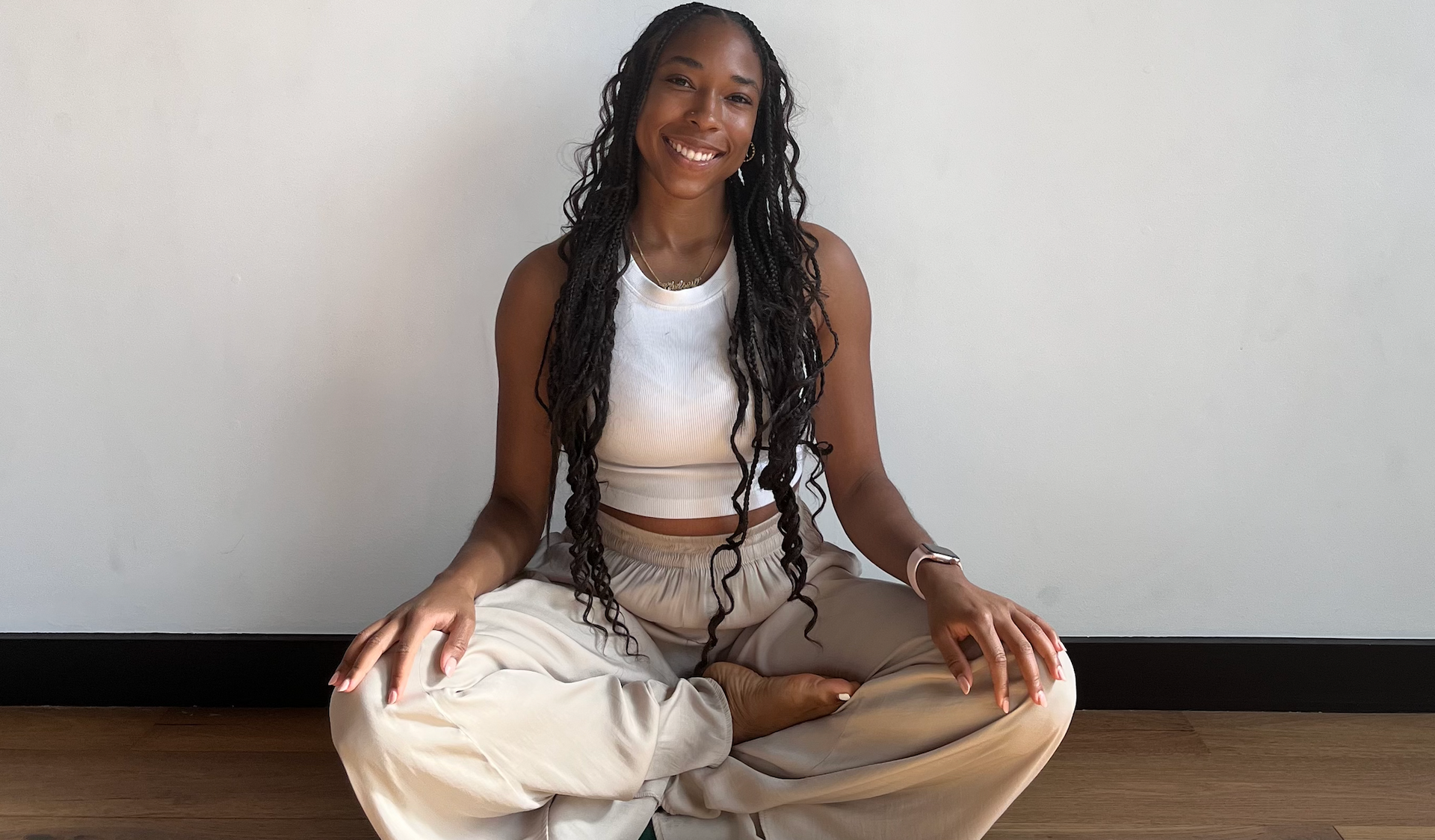
Woman sitting cross-legged on a wooden floor, smiling in a white top and beige pants.

Frequently asked questions

  • How does virtual therapy work?

    Virtual therapy sessions are held over a secure, HIPAA-compliant video platform. All you need is a private space, a stable internet connection, and a device with a camera and microphone.


  • Can I use my insurance for virtual therapy?

     I currently do not accept insurance. I can provide a superbill for reimbursement and I do accept Loveland Vouchers. 

  • What if I need to cancel or reschedule a session?

    I ask for at least 24 hours notice to reschedule or cancel your session. Cancellations made less than 24 hours notice may incur a fee.