Somatic Breathwork for Trauma Healing: How It Works
You have probably heard the word breathwork before. Maybe you have tried it, or scrolled past a video of someone breathing in a particular pattern and wondered what it was actually doing. Somatic breathwork is a specific form of breathwork used in trauma healing, and it operates differently from general relaxation breathing or meditation-based breath practices. This post covers what it is, how it works in the context of trauma, what a session involves, and what to consider before you try it.
In case you are new here, I am Chelsey Reese, a relational therapist supporting women of color through trauma healing and nervous system recovery. At Power Through Process, breath is one of several body-based tools I use to help clients access and release what has been stored in the body. You can learn more about the full approach through somatic therapy services.
What somatic breathwork is and how it works
Breathwork, in its broadest sense, refers to any intentional practice of regulating or directing the breath. Box breathing, diaphragmatic breathing, and pranayama from yoga traditions all fall under this category. These practices can reduce acute stress, lower heart rate, and support focus. They work primarily through the parasympathetic nervous system, activating the body's rest and digest response.
Somatic breathwork does this and goes further. The word somatic comes from the Greek word soma, meaning body. Somatic practices are designed to work with the body's stored responses to stress and trauma, not only its present-moment physiological state. Where general breathwork might help you feel calmer in the moment, somatic breathwork is used to access and process material that the body has been holding over time.
How somatic breathwork differs from regular breathwork
The primary difference is therapeutic intent and clinical context. General breathwork is often practiced independently, through apps, videos, or group classes, with the goal of stress reduction or relaxation. Somatic breathwork is typically facilitated by a trained practitioner who tracks the client's physical and emotional responses throughout the session and adjusts the pace and approach accordingly.
In a somatic context, the breath is used as a tool for accessing the nervous system's stored patterns. A trained facilitator watches for signs of activation or shutdown, supports the client in staying within their window of tolerance, and helps them complete stress responses that were previously interrupted or suppressed. This level of attunement is what makes somatic breathwork distinct from self-directed breathing exercises.
What the body does during a somatic breathwork session
Breathing patterns have a direct effect on the autonomic nervous system. Slow, extended exhales activate the parasympathetic branch, signaling safety to the body. Certain rhythmic breathing patterns can increase oxygen flow, shift the body's chemistry, and alter the state of the nervous system in ways that make stored material more accessible.
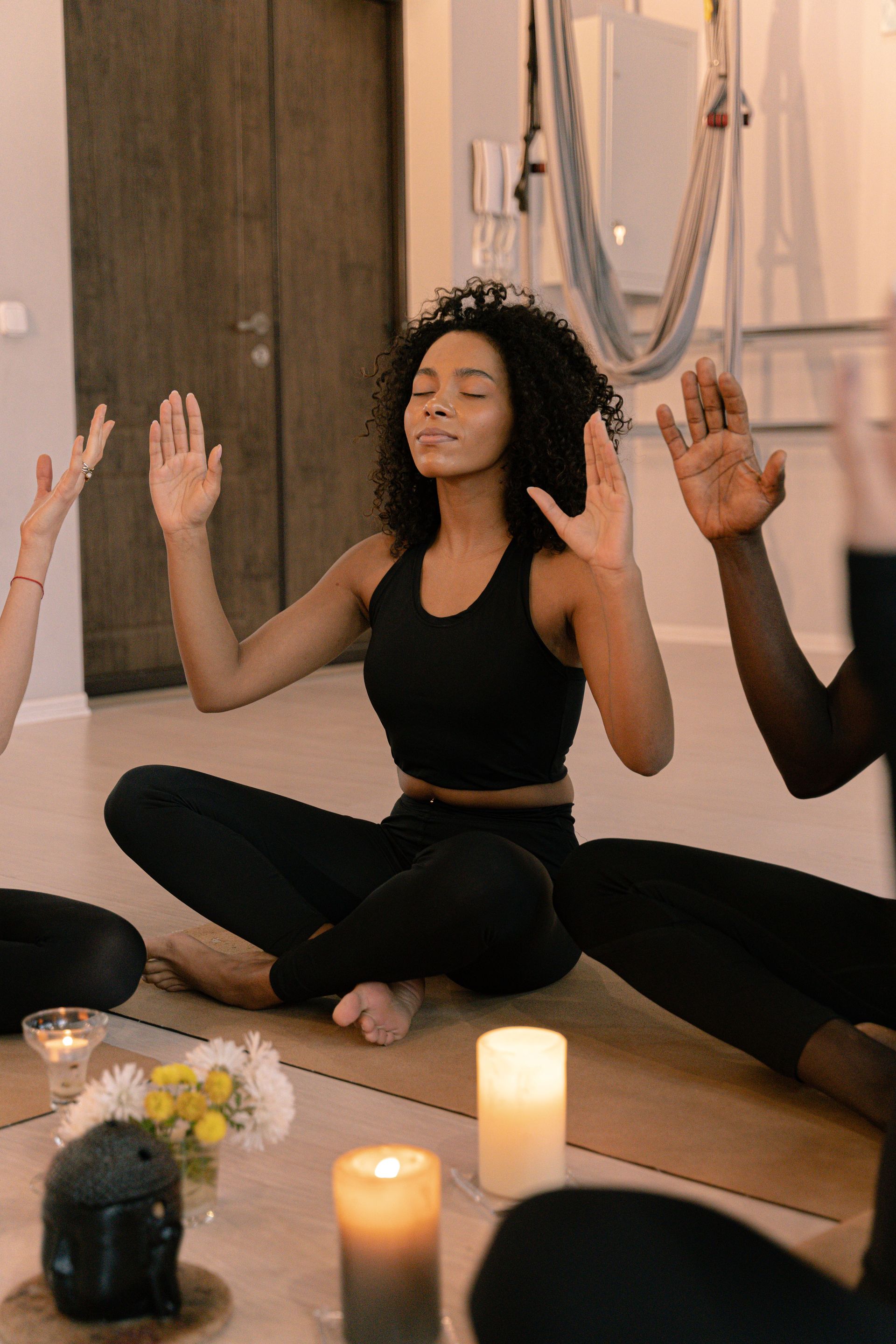
During a somatic breathwork session, clients sometimes experience physical sensations they did not anticipate. Tingling in the hands or face, spontaneous movement, waves of emotion, or a sudden deep release of breath are common. These responses are not manufactured. They are the body's natural reactions to a shift in nervous system state. A skilled facilitator holds the space for these responses without pushing toward or away from them.
How somatic breathwork supports trauma healing
Trauma is not stored as a narrative. It is stored as a physiological pattern. When a threatening experience occurs and the body's stress response is not fully completed, the incomplete response remains in the nervous system as a kind of unfinished charge. This is why people with trauma histories often experience physical symptoms, hypervigilance, emotional reactivity, or numbness that persists long after the original event.
Peter Levine, who developed Somatic Experiencing, observed that animals in the wild complete their stress responses through physical discharge, shaking, movement, and breath, and then return to baseline. Humans, particularly those living in environments that require ongoing suppression of fear, grief, or anger, often interrupt this completion process. The charge stays in the body.
Somatic breathwork creates conditions in which the body can return to and complete those interrupted responses. The breath acts as a bridge between the conscious mind and the body's stored patterns. By shifting the breath intentionally and with therapeutic support, clients can access material that verbal processing alone does not reach.
Nervous system regulation and stored stress
Chronic stress dysregulates the autonomic nervous system over time. Women who have lived in sustained high-stress environments, whether from work, relational harm, racial stress, or generational patterns of survival, often develop a nervous system that defaults to hyperactivation or shutdown. Neither state is conducive to healing, connection, or rest.
Somatic breathwork works directly with the nervous system's state. Specific breathing patterns can shift the body out of sympathetic activation and into a more regulated state, creating a window in which deeper processing becomes possible. Over repeated sessions, this can contribute to a more stable baseline, where the nervous system no longer defaults to its most protective settings as the first response to everyday stress.
Emotional processing and trauma release
For many women, emotions have been suppressed for so long that they no longer feel fully accessible. The capacity to feel grief, anger, or fear without being overwhelmed by it is something the nervous system learns through safe, repeated experience. Somatic breathwork can support this process by creating a regulated state in which emotions can surface and move through the body without triggering a shutdown response.
Releases during somatic breathwork sessions can take many forms. Crying, shaking, spontaneous vocalization, or simply a wave of warmth and relief are all common. These are not performances or signs of crisis. They are the body completing what it previously had to hold in place. The facilitator's role is to support this process without directing it toward a particular outcome.
For women of color specifically, this work carries additional context. The body has often been a site of surveillance, judgment, and forced composure. Reclaiming the body as a place where emotional expression is safe and supported is part of the healing, not a side effect of it.
What a somatic breathwork session looks like
Sessions typically begin with an intake or check-in conversation. The facilitator asks about your current state, any recent stress or significant events, and what you are hoping to work with. This is not a formality. It shapes how the session is paced and what the facilitator tracks throughout.
You will usually be lying down or seated comfortably. The facilitator guides you into a specific breathing pattern and then stays present with you as you move through the session. They may offer verbal guidance, gentle grounding touch if that has been agreed upon, or simply hold the space quietly while tracking your responses.
Sessions typically last between 45 minutes and 90 minutes, including the integration period at the end. Integration is not optional. It is the part of the session where the nervous system begins to settle and the experience becomes incorporated rather than just felt. Leaving a session without adequate integration time can leave the nervous system in an unsettled state.
Can you do somatic breathwork on your own?
Some somatic breathwork techniques can be practiced independently. Extended exhale breathing, diaphragmatic breathing, and certain grounding breath practices are safe for most people to use outside of a clinical setting. These are useful tools for nervous system regulation in everyday life.
Deeper somatic breathwork, particularly practices designed to access trauma material, are not recommended for solo practice without prior clinical work with a trained facilitator. Accessing stored trauma without adequate support and containment can be destabilizing rather than healing. The relational component of the work, having a skilled person present to track and support your responses, is not incidental. It is part of what makes the process safe and effective.
If you are new to somatic work, beginning with a trained practitioner and learning the foundational skills in a supported context is the safer starting point. From there, your facilitator can guide you toward practices that are appropriate for independent use between sessions.
What to know before you try somatic breathwork
Somatic breathwork is not appropriate for everyone in every circumstance. People with certain cardiovascular conditions, respiratory conditions, a history of psychosis, or who are in acute crisis should consult with a medical or mental health professional before trying somatic breathwork. A qualified facilitator will conduct an intake assessment to identify any contraindications before beginning.
When looking for a somatic breathwork practitioner, ask about their training, their approach to trauma, and how they handle activation or distress during sessions. A well-trained facilitator will have clear answers to these questions and will conduct a thorough intake before your first session.
Somatic breathwork works alongside other forms of care. For women managing conditions that require psychiatric monitoring or medication, somatic work is a complement to that care, not a standalone treatment.
Ready to work with your breath and your body
Somatic breathwork is one tool within a broader body-based approach to trauma healing. When it is well-facilitated and appropriately paced, it can support the nervous system in completing what it has been holding and create conditions for deeper regulation and emotional access over time.
If you are looking for somatic therapy in Los Angeles, California, book your consultation today.

Hello, I’m Chelsey Reese
Licensed Clinical Social Worker, Relational and Somatic Therapist, Certified Sound Healer, and 200HR Registered Yoga Teacher. .
I help people cultivate self-awareness by reconnecting with their bodies, releasing trauma and stress, and fostering deeper connections. I believe true healing comes from processing lived experiences and letting go of what no longer serves us.
Passionate about community and wellness, I create spaces for growth and restoration. When I’m not working with clients, you’ll find me tending to my plants, lost in a book, or hiking in nature.